
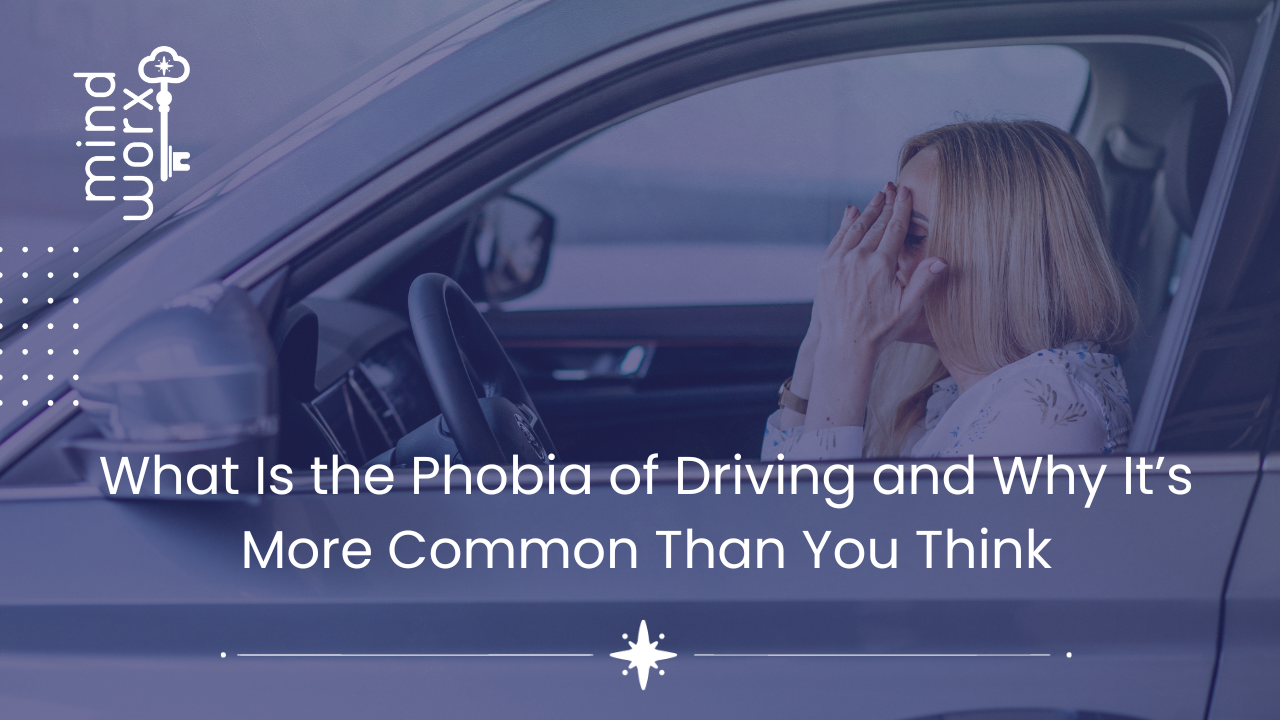
Understanding the Phobia of Driving
Driving is often considered a necessary skill in today’s fast-paced world. Yet, for many, the mere thought of getting behind the wheel can trigger overwhelming feelings of fear and anxiety. If you’ve ever felt your palms sweat, heart race, or a sense of panic rise as you approach the driver’s seat, you’re not alone. What many people don’t realize is that the fear of driving, also known as driving phobia or vehophobia, is far more common than most might think. And while medication has been the go-to treatment for various forms of anxiety, hypnosis has proven to be a far more effective and natural solution for overcoming this specific phobia.
The Growing Prevalence of the Phobia of Driving
In a world where independence is often defined by the ability to drive, the phobia of driving can significantly limit a person’s lifestyle. Studies suggest that up to 20% of people experience some form of driving-related anxiety at some point in their lives. For some, this anxiety can become debilitating, severely impacting their ability to drive without intense stress or panic attacks.
Why Is the Phobia of Driving So Pervasive?
What makes the phobia of driving so pervasive? A combination of factors may contribute. Some individuals may have had a traumatic driving experience, such as a car accident or witnessing one. Others may suffer from underlying anxiety disorders that exacerbate their fear of driving. The phobia can manifest in a variety of ways, from avoiding certain driving situations (like highways or busy intersections) to not being able to drive at all.
Why Is the Phobia of Driving So Intense?
For many people, the fear of driving can be tied to feelings of powerlessness. When you’re behind the wheel, you’re responsible not only for your safety but for the safety of others around you. The pressure of this responsibility can be overwhelming, especially for someone prone to anxiety.
In addition to the fear of accidents or losing control, other factors contribute to the intensity of driving phobia:
1. Fear of Losing Control
The fear of making a mistake while driving and causing an accident is a major trigger for many people. Even those with otherwise good driving records can become anxious about the potential consequences of a misstep.
2. Past Trauma
A traumatic experience, such as being involved in a car accident or witnessing one, can leave emotional scars that make driving terrifying. For some, the fear becomes associated with the car itself, often leading to a phobia of cars.
3. Social Pressure
Societal expectations about driving can also play a role. We live in a culture that values independence and the ability to drive as a sign of self-sufficiency. For someone with a driving phobia, the pressure to drive can be stressful, adding to feelings of inadequacy.
Is Medication the Best Solution?
When it comes to treating the phobia of driving, the conventional route often involves medication. Many people turn to anti-anxiety drugs or other medications prescribed to ease the physical symptoms of anxiety, such as rapid heartbeat and sweating. While these medications can offer temporary relief, they come with their own set of drawbacks. Side effects, dependency issues, and the need for continued medication can make this approach less appealing for those seeking a long-term solution.
The Drawbacks of Medication
While some people find success with traditional forms of treatment, the truth is that medication only addresses the symptoms, not the root cause of the fear. The phobia of driving is deeply psychological and therefore requires a solution that addresses the mind, rather than just numbing the body’s response.
Why Hypnosis is the Ultimate Solution for Overcoming the Phobia of Driving
So, what’s the best way to tackle the phobia of driving? The answer lies in hypnosis. Hypnosis is a natural, drug-free alternative that works by accessing the subconscious mind. Unlike medication, which may mask the symptoms, hypnosis addresses the root cause of the anxiety, helping individuals reshape their perceptions of driving.
Here’s why hypnosis is the best solution:
1. Bypass the Subconscious Mind
Hypnosis works by bypassing the conscious mind and accessing the subconscious, where deep-rooted fears and anxieties are stored. This allows the hypnotist to identify the origin of the fear and work directly to reframe it.
2. Target the Root Cause
With hypnosis, you can address not just the fear of driving but the phobia of cars and any past trauma associated with driving. Hypnotherapists can uncover the psychological triggers that are causing the fear and help change the emotional response to those triggers.
3. No Side Effects
Unlike medications, hypnosis is a completely natural process. There are no harmful side effects, and the benefits are long-lasting. Once a person has worked through their phobia using hypnosis, the fear is often eliminated permanently.
4. Promote Relaxation and Confidence
Hypnosis isn’t just about eliminating fear. It also promotes relaxation, helping the individual feel calm and at ease behind the wheel. With regular sessions, patients report feeling more confident and less anxious when driving.
5. A Personalized Approach
Hypnotherapy can be tailored to the individual’s specific experience. Whether the fear stems from a past traumatic event or general anxiety about driving, hypnosis allows for a customized approach to treatment.
Hypnosis vs. Medication – The Clear Winner
The key difference between hypnosis and meditation is that hypnosis empowers the individual to control their mind. With the help of a skilled hypnotist, patients can reprogram their subconscious mind to remove the fear and anxiety that has been built over time.
Medication, on the other hand, simply masks the symptoms without addressing the underlying issue. It may make someone feel better temporarily, but it does not provide a permanent solution. For those who want to break free from the cycle of fear and anxiety, hypnosis is the most effective and lasting treatment.
Overcoming the Phobia of Driving with Hypnosis
Having established that the phobia of driving can be a deeply ingrained issue and that hypnosis presents an effective and natural solution, let’s explore in more detail how hypnosis can specifically help individuals conquer this fear and regain their confidence on the road.
The Process of Using Hypnosis to Overcome the Phobia of Driving
When it comes to using hypnosis to treat the phobia of driving, it’s important to understand how the process works. Hypnosis isn’t some magical or mystical experience—rather, it’s a therapeutic technique that guides the individual into a deeply relaxed state, where they can access the subconscious mind and reprogram their thought patterns.
What Happens During a Hypnotherapy Session?
Here’s an overview of a typical session for overcoming driving phobia:
1. Relaxation and Induction
The session begins with the hypnotist guiding the individual into a relaxed state. This may involve deep breathing exercises, visualization, and other techniques designed to calm the mind and body. As the person becomes more relaxed, they enter a trance-like state where their subconscious mind is more receptive to positive suggestions.
2. Addressing the Root Cause
Once in this relaxed state, the hypnotist can begin working with the subconscious mind to explore the root cause of the driving phobia. This could be a traumatic event, such as a car accident, or it could be related to broader anxieties about control, safety, or social expectations. The goal is to uncover these deep-seated fears and identify the emotional triggers.
3. Reframing Negative Beliefs
During the session, the hypnotherapist uses positive suggestions and techniques to help the individual reframe their beliefs about driving. For example, the person may learn to associate driving with feelings of confidence, safety, and control, rather than fear and anxiety. This process involves rewiring the brain’s response to driving-related stimuli, allowing the individual to feel at ease behind the wheel.
4. Gradual Exposure and Visualization
After reframing negative beliefs, the individual may be guided through a process of gradual exposure and visualization. This involves imagining driving in various scenarios, from calm, quiet roads to busier highways. As they visualize these situations, they are encouraged to remain calm and relaxed. Over time, this mental rehearsal helps desensitize the individual to the fear and makes it easier to drive in real life.
5. Reinforcing Confidence
The final phase of the session focuses on reinforcing feelings of confidence and control. The hypnotist will provide positive affirmations and suggestions to help the individual feel empowered and capable. By the end of the session, the person should feel more confident in their ability to drive and less anxious about potential challenges.
How Many Hypnosis Sessions Are Needed?
The number of sessions needed to overcome the phobia of driving will vary from person to person. Some individuals may experience significant relief after just one to 3 sessions, while others may require several. However, what’s important to note is that hypnotherapy provides a lasting solution that doesn’t rely on ongoing sessions or medication.
A Typical Timeline
- First Session: The first session typically focuses on understanding the root cause of the phobia and beginning the process of relaxation and reframing negative beliefs.
- Second to Fifth Sessions: These sessions build on the first, with gradual exposure, visualization techniques, and reinforcing feelings of confidence. The individual will also start driving under controlled conditions, which may involve driving in a safe, quiet area before progressing to more challenging scenarios.
- Ongoing Reinforcement: In some cases, individuals may benefit from occasional follow-up sessions to reinforce the positive changes and address any lingering fears.
The Benefits of Hypnosis for Overcoming the Phobia of Driving
1. A Natural, Drug-Free Solution
Unlike medications, hypnosis is a natural and holistic solution that doesn’t rely on drugs or chemicals. It works with the subconscious mind to create lasting change without harmful side effects. This makes it an ideal choice for those seeking a more sustainable approach to overcoming their phobia of driving.
2. Tailored to the Individual’s Needs
Hypnotherapy is highly personalized, allowing the hypnotist to address each individual’s unique fears and anxieties. Whether the fear stems from past trauma, general driving anxiety, or a phobia of cars, hypnotherapy can be customized to suit the individual’s experience.
3. Long-Term Results
While medications may provide temporary relief, hypnosis offers long-term results. Once the phobia is addressed at its root, the fear of driving often dissipates entirely, allowing individuals to regain control over their lives and driving experiences.
4. Increased Confidence and Freedom
As hypnosis works to remove the barriers of fear and anxiety, individuals often report a significant increase in their confidence behind the wheel. This newfound confidence not only helps in driving but also in many other aspects of life where control and independence are required.
Conclusion: Take Control of Your Life with Hypnotherapy
The phobia of driving doesn’t have to control your life. With the right approach and support, you can break free from the fear that holds you back. Hypnosis offers a powerful, natural, and effective solution that addresses the root cause of driving-related anxiety, allowing you to regain your confidence and independence.
If you’re ready to conquer your phobia of driving and reclaim your freedom, hypnosis might be the key. Contact a certified hypnotherapist today and begin your journey toward a calmer, more confident driving experience.
